Bumela: A Bold and Cheerful Typeface for Creative Projects
There’s something magical about starting a new brand project. You open your design software, create a fresh canvas, and begin to shape the visual language of a brand. Recently, I found myself working on a boutique identity for a handmade soap company. The challenge was clear: the brand needed to feel warm, approachable, and full of life. That’s when I discovered Bumela, a bold, cheerful, and cute font that immediately caught my eye.
A Font with Personality
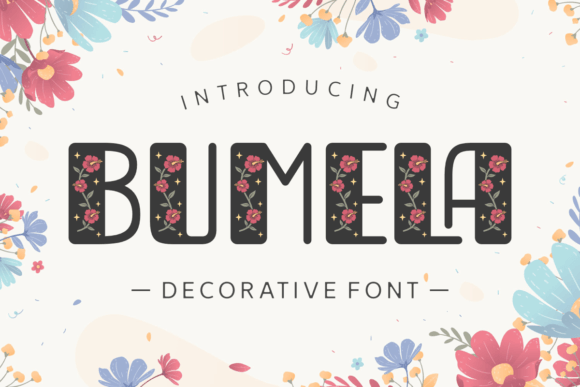
Bumela is more than just a decorative typeface—it’s a character. Its curves are playful yet refined, and its boldness gives it a sense of confidence without being overwhelming. It feels like a friendly face you’d see in a children’s book or on a whimsical café sign. What stood out most was how well it balanced cuteness with clarity. It wasn’t too childish, nor was it overly formal. It had that perfect middle ground that makes it versatile across many creative uses.
The visual style of Bumela leans into rounded edges and soft transitions, which contribute to its overall charm. It has a light-hearted mood, making it ideal for brands that want to communicate joy, creativity, and a touch of fun. Whether used in a logo, packaging, or social media graphic, Bumela adds a sense of warmth and personality to any design.
Testing Bumela in Real Branding Work
I tested Bumela across several elements of the soap brand’s identity. First, I used it for the logo concept. The name of the brand, “Bloom & Co,” looked absolutely stunning in Bumela. It gave the brand an instant sense of approachability and creativity. Next, I applied it to the brand board—pairing it with a soft pastel palette and minimalist illustrations. It worked beautifully, adding a touch of vibrancy without clashing with the rest of the design.
On the product packaging mockup, Bumela felt right at home. It was used as the main text on the front label, while a clean sans serif font handled the supporting information. This combination created a clear visual hierarchy, making the design both engaging and easy to read. Even on a small scale, such as the back of a business card, Bumela maintained its legibility and charm.
When I placed it on a website header, the font added a nice contrast against a neutral background. It wasn’t too loud, but it still drew attention where it needed to. On Instagram posts, Bumela helped elevate the brand’s content, giving each post a consistent and memorable look.
Where Bumela Shines Best
Bumela excels as a display font, headline font, or short phrase font. It’s not suited for long blocks of body text due to its decorative nature, but it works wonders in headlines, logos, social media captions, and even merchandise. For example, using it on a birthday card or promotional poster can instantly make the message feel more personal and engaging.
If you're designing a brand that wants to stand out with a unique voice, Bumela could be a great fit. It's especially effective for creative industries like handmade goods, bakery packaging, skincare, or local restaurants looking to convey a friendly and welcoming vibe.
However, it's worth noting that Bumela may not be the best choice for formal corporate branding or projects requiring high readability at small sizes. It’s more of a decorative font that should be used thoughtfully to maintain professionalism while still expressing personality.
Font Pairing and Practical Tips
Pairing Bumela with other fonts can help balance its playful nature. I found that combining it with a clean sans serif font, like Helvetica or Arial, worked well for creating a modern and professional look. For a more organic feel, pairing it with a script font or handwritten style can enhance the creative tone of the design.
Before committing to Bumela in final client work, it’s always a good idea to test it in different contexts. Try it on a variety of backgrounds, sizes, and color contrasts to ensure it performs well across all mediums. Also, don’t forget to check the licensing terms to confirm whether it’s suitable for commercial use, especially if you’re incorporating it into brand assets, websites, or print-on-demand products.
Bumela comes with a range of styles and alternates, which allows for some customization. However, if multilingual support or specific weights are required, it’s important to verify what options are available. If you’re planning to use it on the web, checking for webfont availability is also a practical step.
In summary, Bumela is a charming and expressive font that brings energy and personality to any design. Whether you're working on a brand identity, editorial layout, or social media content, it's a valuable addition to your typography toolkit. Just remember to use it wisely and pair it with complementary fonts to keep your designs balanced and impactful.